
24-hour availability
We are available around the clock, including weekends.
Specialist outpatient palliative care
We support seriously ill people and their families with expertise, time and humanity. Our aim is to relieve symptoms, provide reassurance and preserve quality of life.
What we do
SAPV complements care provided by family doctors, nursing and hospice services when symptoms are severe or change rapidly.
We are available around the clock, including weekends.
For example pain, breathlessness, anxiety, restlessness, nausea or vomiting.
We support patients and relatives with decisions and during crises.
We coordinate medicines, medical aids and participating services.
We help to avoid burdensome hospital admissions whenever possible.
We work with family doctors, nursing services, hospice services and other specialists.
How we work together
The patient is at the centre of our care. We listen, explain clearly and respect personal decisions, even when a recommendation is not accepted immediately.
Serious situations require seriousness, but not every minute has to feel heavy. A kind word, a light-hearted moment or gentle banter can have a place when it feels right for everyone involved.
When SAPV may help
These examples provide a simple overview. The medical assessment, legal requirements and the health insurer’s decision are decisive.
Pain remains difficult to control despite treatment or changes significantly.
For example confusion, anxiety, agitation, seizures or severe emotional distress.
For example breathlessness, fear of suffocation, chest tightness or severe circulatory problems.
For example nausea, vomiting, bowel obstruction, swallowing problems or distressing abdominal fluid pressure.
For example open, odorous, bleeding or difficult-to-treat wounds.
For example urinary problems, bleeding, fistulas or severe kidney problems.
For example severe itching, metabolic imbalance or persistent distressing hiccups.
How to reach us
Our team
Our core team consists of eight specialist nurses and three doctors. Additional doctors, specialists and cooperation partners support care. The high level of qualification of our nurses enables short communication channels and flat hierarchies. For many patients, the nurses are their trusted contacts.
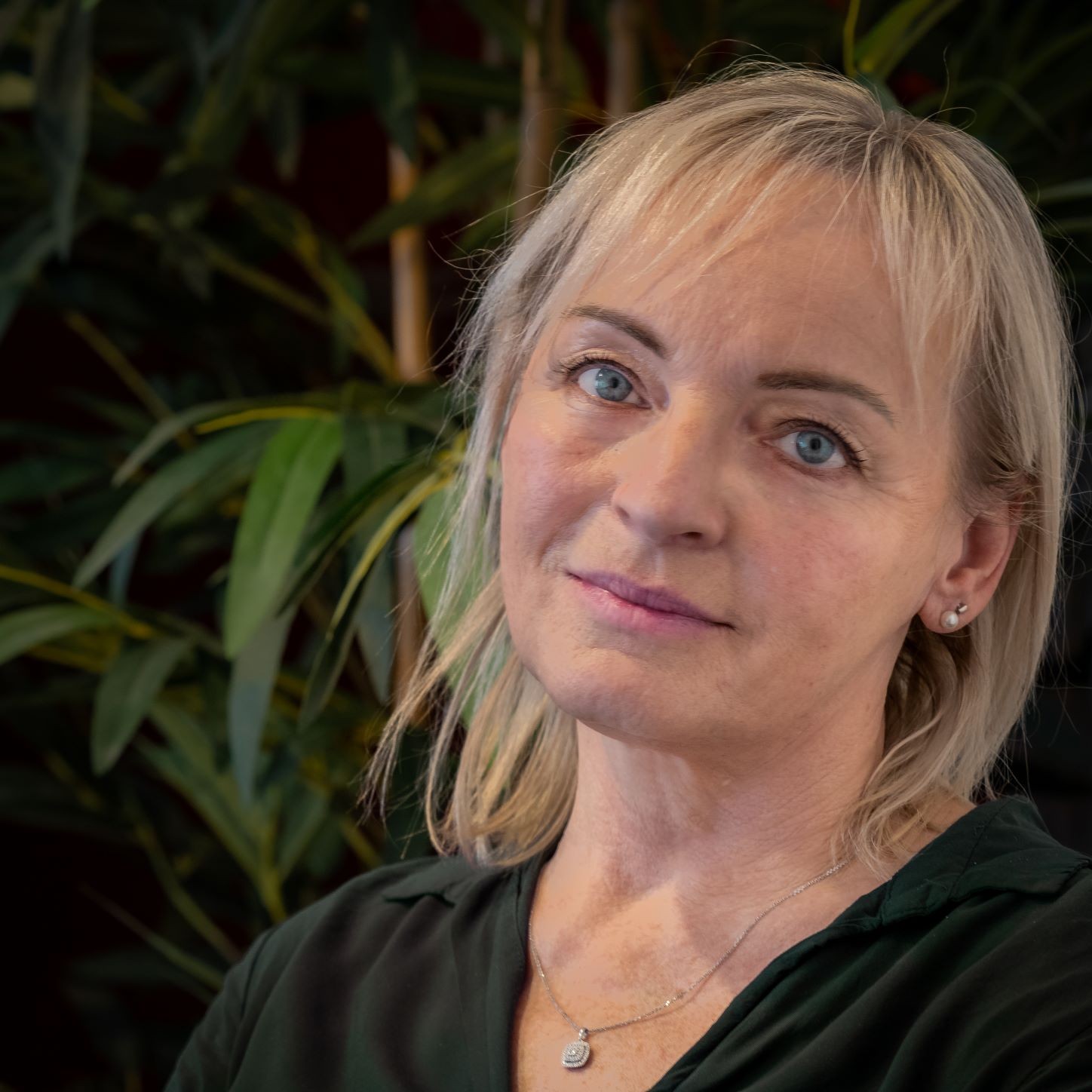
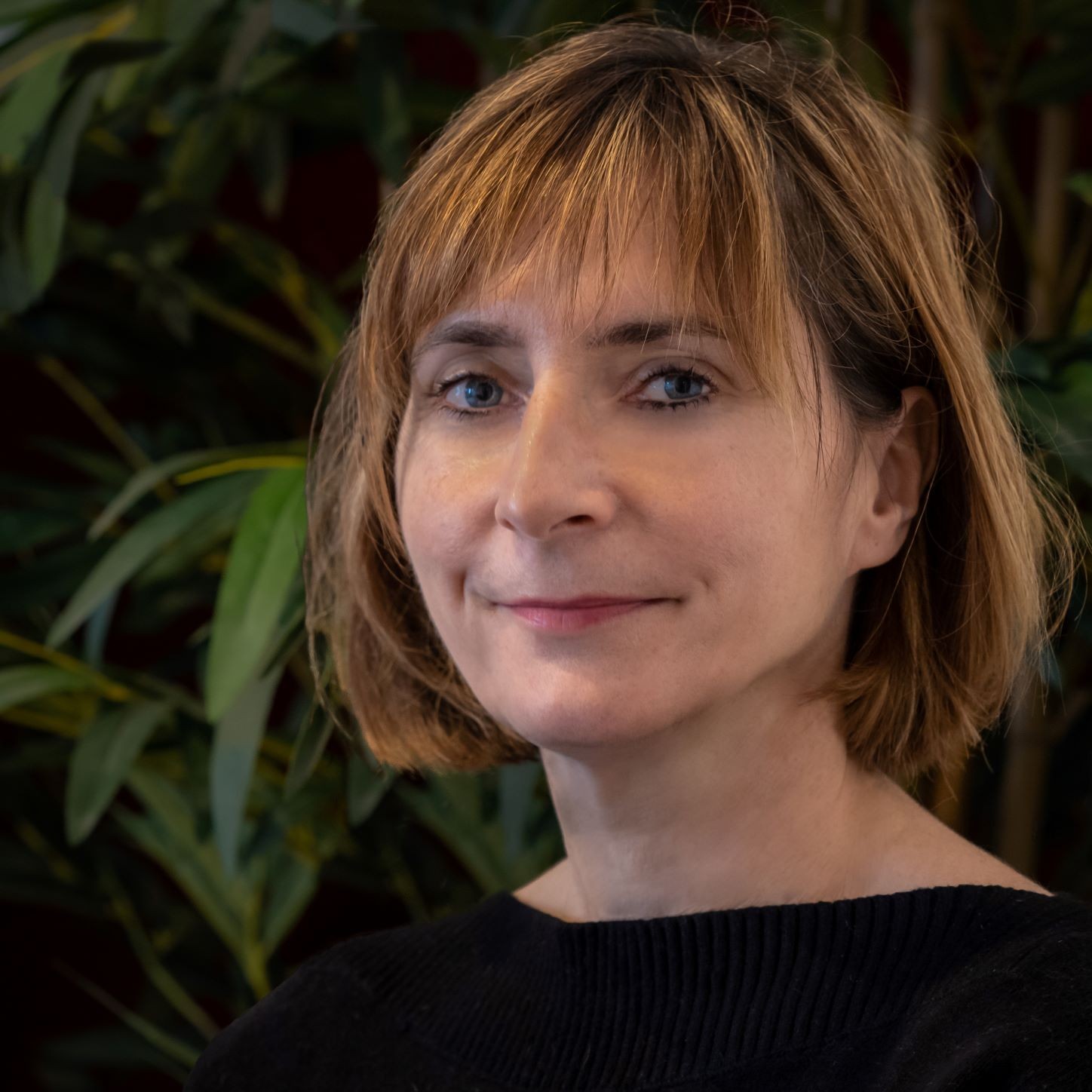
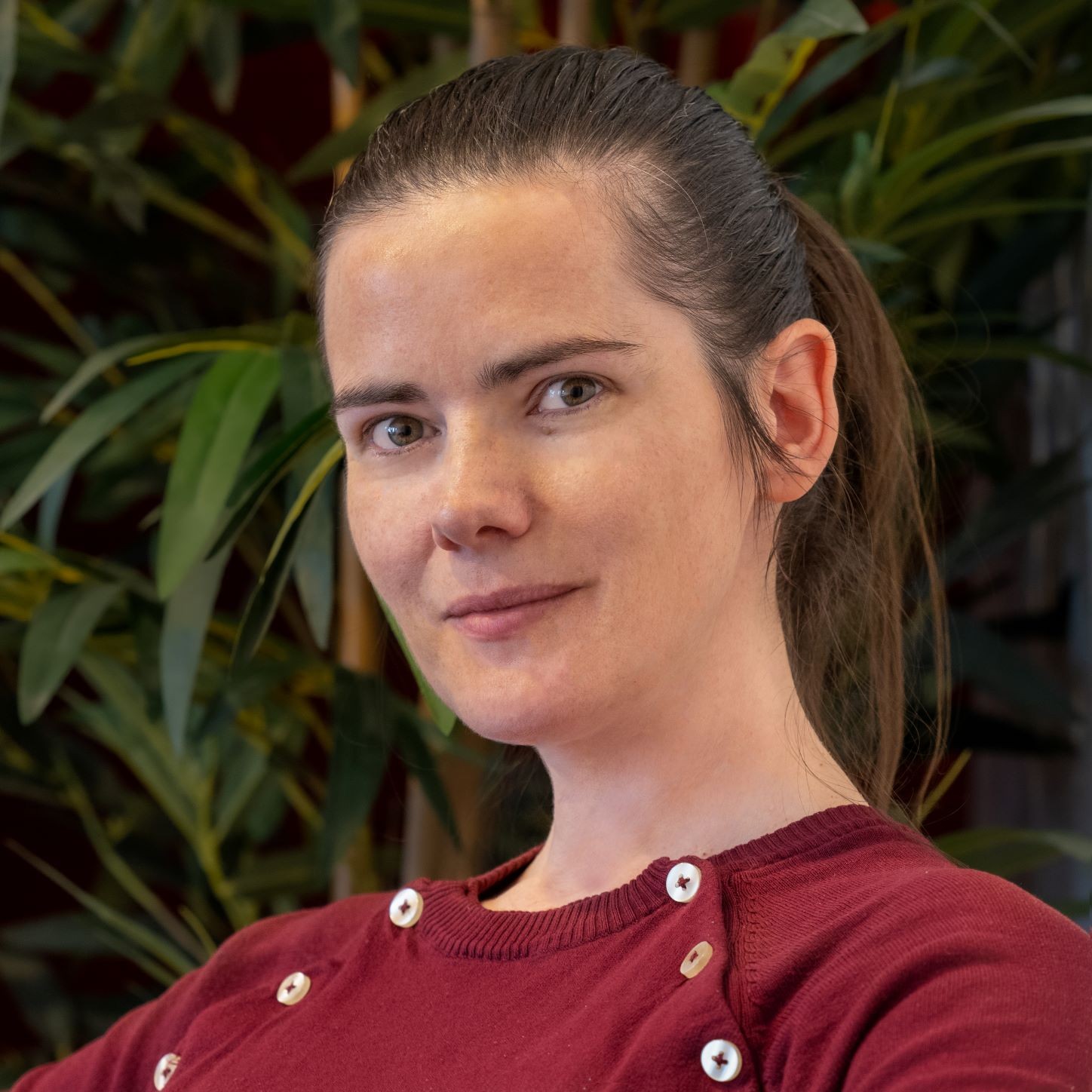
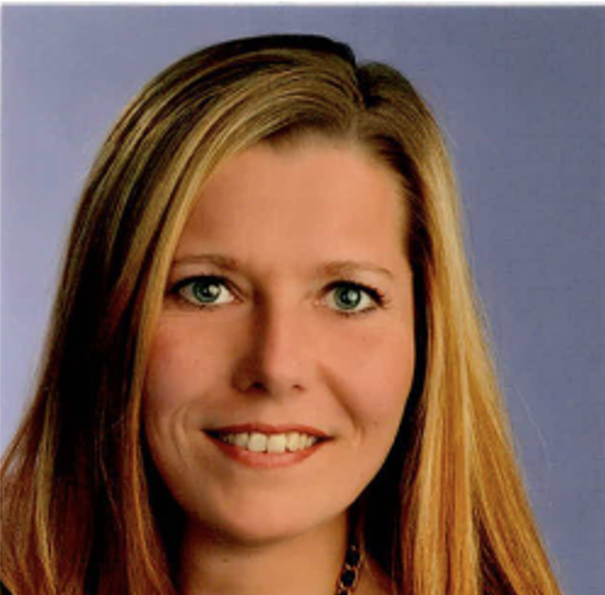

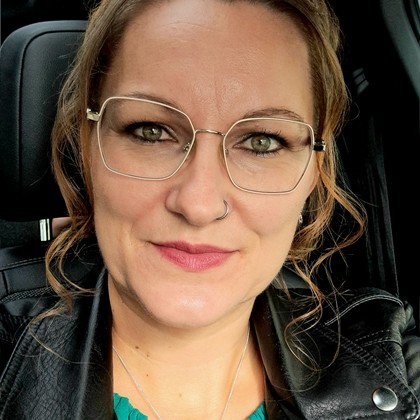
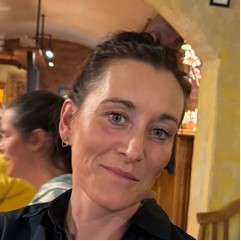
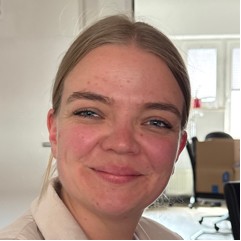
Depending on the duty rota, another colleague may support you. This allows you to get to know the team and perhaps discover a friendly nickname or two, always respectfully and only when it feels right for everyone.
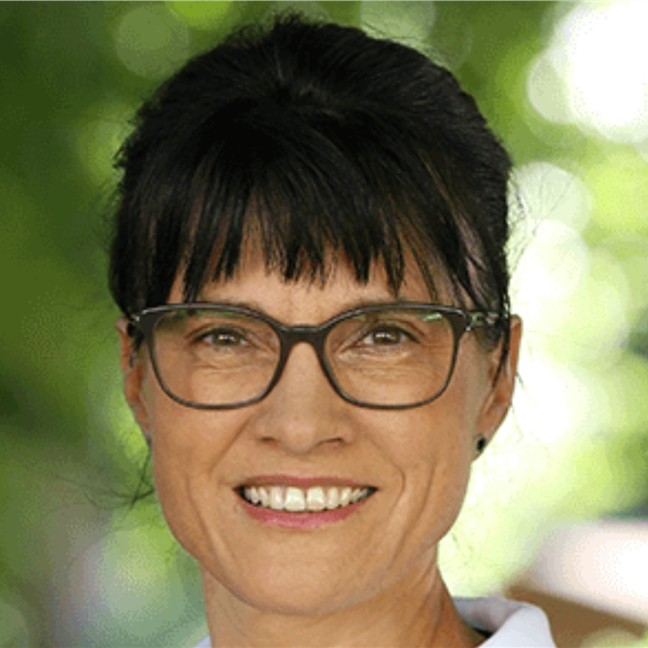
Specialist in Internal Medicine · Palliative Medicine · Social Medicine · Geriatrics · Rehabilitation Medicine · Emergency Medicine · Medical Quality Management
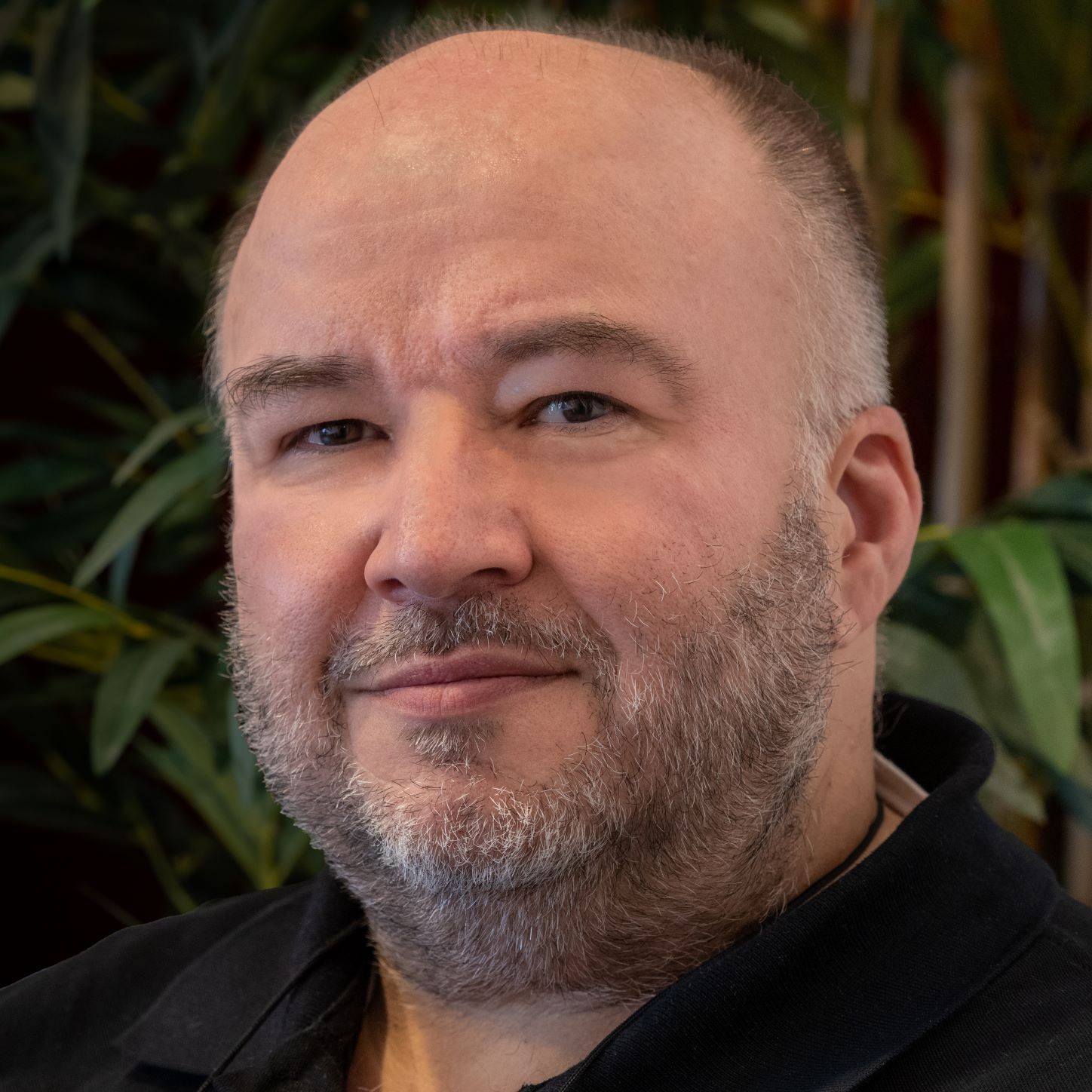
Specialist in General Practice · Palliative Medicine · Emergency Physician · Travel Medicine · Lieutenant Colonel (Reserve)
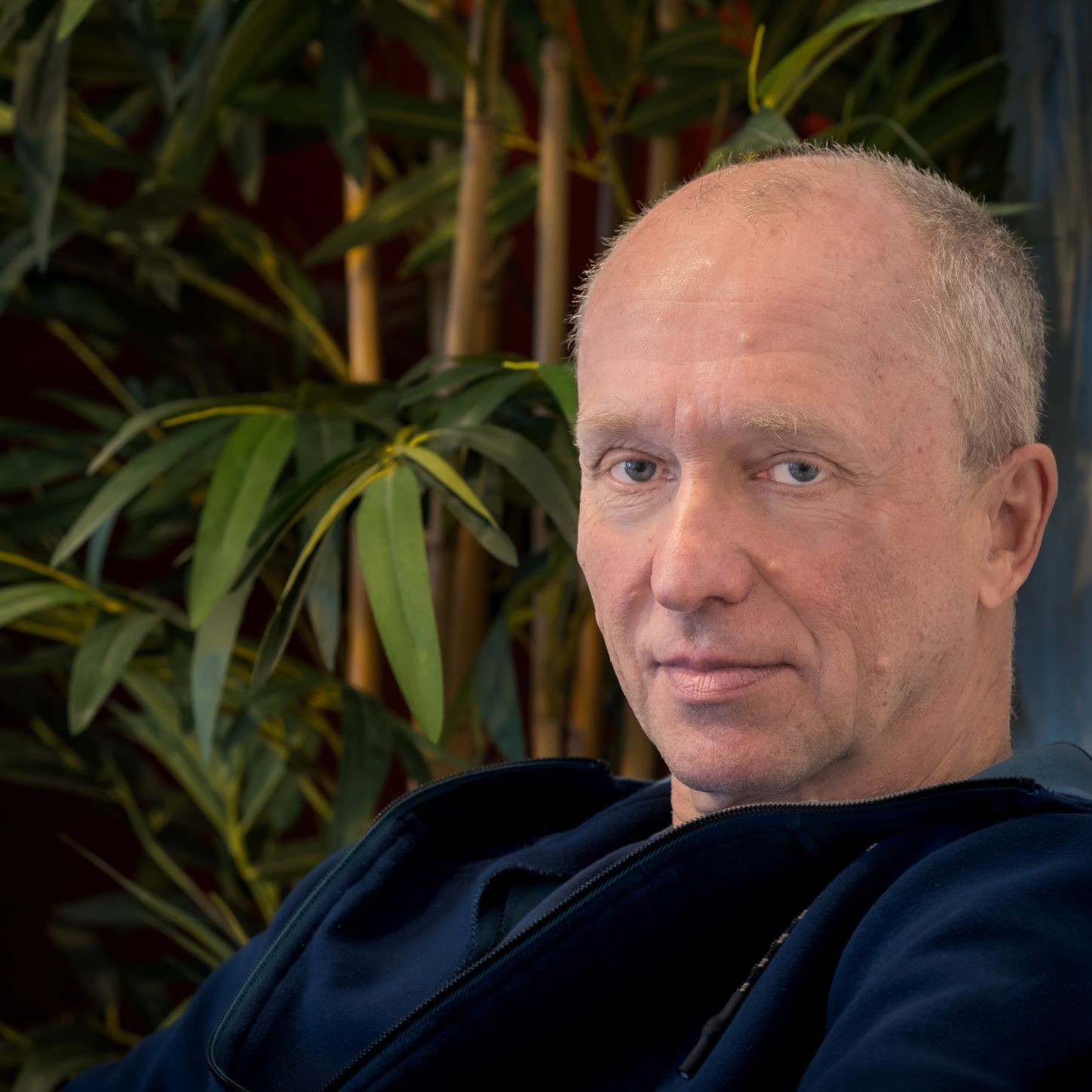
Specialist in General Practice · Palliative Medicine · Homeopathy · Natural Medicine · Manual Therapy · Occupational Medicine · Addiction Medicine · Lieutenant Colonel (Retired)
Also supporting us: resident doctors, cooperating doctors, specialists and healthcare service providers.
Why SAPV Friedland?
Many people wish to remain in familiar surroundings for as long as possible. Our team helps patients and families gain confidence and reduce burdens. Together, we look for solutions that suit the individual situation.
FAQ
People with an incurable, progressive illness, limited life expectancy and particularly complex care needs may be eligible. Each case is assessed individually.
No. SAPV is outpatient care designed to support care in familiar surroundings.
No. SAPV complements existing care and coordinates with the professionals already involved.
For people with statutory health insurance, approved SAPV services are paid for by the health insurer.
Yes. Our 24-hour number is also available at weekends.
Your right to choose matters to us. Please clarify the specific service and area with your health insurer and chosen team.
Call the central number. Calls to a nurse’s personal work phone are automatically forwarded to the nurse on duty outside working hours.
Work with SAPV Friedland
We value professional expertise, autonomous work, short decision paths and respectful cooperation. Training and teamwork are part of good palliative care.
Your feedback